

When organizations look for ways to reduce facility costs, the focus often turns to the largest budget items. Labor, utilities, maintenance contracts, and capital improvements naturally receive the most attention because they represent significant investments.
However, some of the biggest opportunities for improving operational performance aren't found in those major expenses. They're hidden within the everyday processes that have gradually become standard practice.
Over time, though, these small inefficiencies can affect productivity, increase operating costs, and create a less consistent experience for building occupants. Recognizing these issues early allows organizations to make targeted improvements that strengthen performance across the entire facility.
Here are seven operational inefficiencies that may be costing your facility more than you realize.
1. Cleaning Schedules That No Longer Match Building Usage
The way people use office buildings has changed significantly in recent years, but many cleaning programs haven't evolved alongside those changes.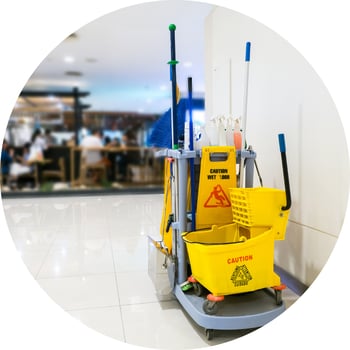
Hybrid work schedules, flexible office layouts, and changing occupancy patterns mean some areas of a building experience constant activity while others sit empty for much of the week. Yet many organizations continue servicing every space with the same frequency simply because that's how the schedule has always been structured.
This approach often results in labor being directed toward low-priority areas while heavily used spaces require additional attention. Reviewing occupancy trends and adjusting cleaning frequencies accordingly allows organizations to allocate resources where they create the greatest impact, improving both efficiency and the occupant experience.
2. Small Maintenance Issues That Continue to Be Deferred
Equipment rarely fails without warning. More often, small issues develop gradually until they become expensive repairs or unexpected downtime.
A clogged air filter, worn belt, minor plumbing leak, or neglected rooftop unit may continue operating for weeks or months before causing noticeable problems. During that time, however, equipment often becomes less efficient, consumes more energy, and experiences additional wear.
Organizations that prioritize preventative maintenance are better positioned to extend asset life, reduce emergency repairs, and avoid disruptions that affect employees and business operations.
3. Managing Multiple Vendors Without a Unified Strategy
As facilities grow, it's common for organizations to add service providers as new needs arise. Janitorial services, maintenance, landscaping, pest control, and specialty services are often managed under separate contracts, each with its own reporting process and communication style.
While each provider may perform its responsibilities well, the overall operation can become fragmented when there isn't a coordinated strategy tying those services together.
The result is duplicated efforts, slower communication, and reduced visibility into overall facility performance. Bringing services together under a more integrated management approach can improve coordination, simplify oversight, and help facility leaders make more informed operational decisions.
4. Spending Too Much Time Reacting Instead of Planning
Many facility teams spend their days responding to immediate needs. Work orders arrive, occupant requests require attention, equipment issues surface unexpectedly, and priorities shift throughout the day.
Although responsiveness is essential, constantly operating in reactive mode leaves little opportunity to identify larger trends or address the root causes of recurring issues.
Taking time to review operational data, recurring maintenance requests, and performance metrics allows organizations to move beyond solving today's problems and begin preventing tomorrow's. Over time, that shift can reduce costs while creating a more reliable and predictable operation.
5. Limited Visibility Into Supply Usage and Inventory
Facility supplies represent a relatively small portion of most operating budgets, but inefficient inventory management can create unnecessary expenses throughout the year.
Without clear visibility into usage patterns, organizations may overstock supplies that sit unused while running short on products needed every day. Inconsistent ordering practices across multiple locations can also lead to duplicate purchases and unnecessary waste.
Standardizing inventory management and monitoring consumption trends helps ensure the right products are available when they're needed without tying up budget in excess inventory.
Looking Beyond
The most expensive inefficiencies aren't always the easiest to spot. In many cases, they've become part of everyday operations simply because they've existed for so long.
Taking a closer look at how services are delivered, how resources are allocated, and how operational decisions are made can uncover opportunities to improve efficiency without sacrificing service quality. Even small adjustments, when applied consistently across a facility, can produce measurable improvements in cost control, productivity, and occupant satisfaction.
As workplace expectations continue to evolve, organizations that regularly evaluate their operations will be better equipped to adapt, optimize resources, and create environments that support both business performance and the people who use them every day.
Discover Opportunities With Flagship
Every facility has opportunities to operate more efficiently. The challenge is knowing where to look.
Flagship partners with organizations to evaluate facility operations, identify opportunities for improvement, and develop integrated solutions that support long-term performance.
Whether you're looking to optimize cleaning programs, strengthen preventative maintenance, or streamline facility management, our team can help you uncover inefficiencies that may be limiting your facility's potential.




Leave a Comment