
In the Life Sciences industry, 24/7 support is a phrase that appears everywhere. Vendors promise around-the-clock service, rapid response times, and continuous coverage. But for labs and research environments operating under strict regulatory requirements and sensitive timelines, true 24/7 support requires more than just being available after hours. It requires a response model built for urgency, technical precision, and uninterrupted operations.
Critical equipment can fail overnight, environmental conditions can change within minutes, and even brief disruptions can impact compliance, delay production schedules, or compromise sensitive research. Effective response models must therefore be scalable, technically informed, and fully integrated into day-to-day operations.
The difference between standard support and high-performance response models ultimately comes down to preparation, coordination, and execution. Understanding what true 24/7 operational support looks like is essential when evaluating facility partners and building long-term operational strategies.
Why 24/7 Support Matters
Life Sciences environments operate differently from traditional commercial facilities. Labs, cleanrooms, GMP manufacturing spaces, and R&D campuses often run continuously, with critical activities occurring outside standard business hours.
Research timelines are sensitive. Environmental controls must remain stable. Specialized equipment requires constant monitoring. In some cases, a minor operational issue can create significant downstream consequences. For example, a delayed response can lead to:
- Lost research data
- Contaminated environments
- Equipment downtime
- Compliance concerns
- Interrupted production schedules
- Safety risks for personnel
- Increased operational costs
This is especially true in facilities supporting pharmaceutical development, biotechnology research, cell and gene therapy manufacturing, and other highly regulated operations.
Because of these risks, reactive support models are no longer sufficient. High-performing facilities require operational teams that can identify, escalate, and resolve issues before they become major disruptions.
That level of responsiveness requires a structured, highly coordinated support model designed specifically for complex lab operations.
The Difference Between Reactive and High-Performance Support Models
Many service providers define 24/7 support as simply being available after hours. That often means relying on an on-call phone number, navigating delayed escalation chains, or operating with limited overnight staffing when urgent issues arise.
High-performance response models operate differently. Instead of prioritizing basic after-hours coverage, the focus is on maintaining operational continuity through rapid communication, clearly defined accountability, and proactive issue management.
True high-performance support models typically include:
Dedicated Onsite or Rapid-Response Teams
Life Sciences facilities often require personnel who understand the operational complexity of lab environments. Generic maintenance support is rarely enough.
High-performance models rely on trained teams that can quickly assess issues involving:
- HVAC systems for controlled environments
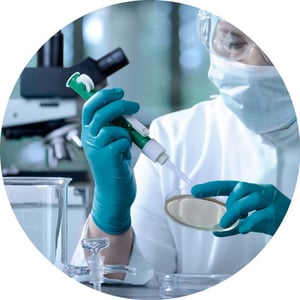
- Cleanroom operations
- Critical utilities
- Lab support systems
- GMP compliance considerations
- Environmental monitoring systems
- Specialized facility equipment
The ability to deploy qualified personnel quickly is essential for minimizing operational downtime.
Clearly Defined Escalation Procedures
Response time alone does not determine success. Escalation structure matters too.
When issues occur in Life Sciences environments, delays often happen because responsibilities are unclear. High-performance response models eliminate confusion through predefined escalation protocols.
These systems establish:
- Immediate points of contact
- Priority classifications
- Decision-making authority
- Communication workflows
- Documentation procedures
- Resolution tracking
This structure helps teams respond consistently during both routine and high-pressure situations.
Integrated Communication Systems
Communication breakdowns are one of the most common causes of operational disruption during facility incidents.
Effective 24/7 support models rely on integrated communication processes that keep stakeholders informed in real time. This may include:
- Automated alerts
- Centralized reporting systems
- Real-time work order visibility
- Incident tracking dashboards
- Shift handoff documentation
When communication is streamlined, facility teams can resolve issues faster while maintaining visibility across departments.
Proactive Monitoring Is the Foundation of 24/7 Support
One of the biggest misconceptions about around-the-clock support is that it only matters after something goes wrong. In reality, the strongest response models are heavily focused on prevention.
Proactive monitoring allows facility teams to identify potential issues before they escalate into operational disruptions. In Life Sciences environments, this can significantly reduce downtime and protect critical research and manufacturing activities.
High-performance facilities often use monitoring strategies that include:
Continuous Environmental Monitoring
Temperature, humidity, pressure differentials, and airflow conditions must remain within strict tolerances in many lab and cleanroom environments.
Continuous monitoring systems help teams detect abnormalities immediately, allowing corrective action to begin before compliance or operational issues arise.
Equipment Performance Tracking
Predictive maintenance strategies help identify early warning signs of equipment failure. Monitoring vibration, runtime data, filter conditions, and performance trends allows teams to address issues proactively rather than react to breakdowns.
Operational Data Analysis
Data visibility is becoming increasingly important in Life Sciences facility management. High-performance support teams use operational data to improve response planning, resource allocation, and maintenance scheduling.
This approach helps facilities move away from reactive operations and toward more resilient, data-driven support models.
the Role of SOPs and Standardization
Consistency is one of the defining characteristics of high-performance response models.
Standardized procedures help ensure that teams respond appropriately regardless of time, shift, or personnel changes.
Standard operating procedures (SOPs) provide structure for:
- Incident response
- Emergency escalation
- Equipment shutdown protocols
- Environmental excursions
- Safety procedures
- Documentation requirements
- Regulatory compliance processes
When SOPs are clearly documented and consistently followed, facilities can reduce operational variability and improve overall response efficiency.
This is particularly important in regulated environments where documentation and traceability are critical.
How High-Performance Support Improves Facility Resilience
Facility resilience has become a major focus across the Life Sciences industry. Organizations are increasingly evaluating how quickly facilities can adapt to operational disruptions, staffing challenges, infrastructure failures, and changing production demands.
Strong response models improve resilience by helping facilities:
- Reduce downtime
- Improve operational continuity
- Strengthen compliance readiness
- Protect sensitive research
- Maintain occupant safety
- Support long-term scalability
Rather than treating support as a reactive function, high-performing organizations view operational response as a strategic component of facility performance.
This shift is driving increased investment in proactive facility management, integrated support systems, and Life Sciences facility expertise.
Redefining What Support Really Means
24/7 support is about much more than availability. It's about operational readiness.
High-performance response models are built on proactive monitoring, technical expertise, structured communication, standardized procedures, and continuous coordination. These systems help organizations protect research, maintain compliance, reduce downtime, and support critical operations around the clock.
As labs and Life Sciences campuses continue to grow more complex, the expectations surrounding facility support will continue to grow as well.
Organizations that invest in resilient, high-performance operational models will be better positioned to maintain continuity, support innovation, and adapt to the evolving demands of the industry.
Flagship Lab Services provides specialized support designed for the unique demands of lab and Life Sciences environments.
Contact us today to learn how our tailored lab support services can help strengthen operations, maintain continuity, and support your research goals.

Leave a Comment