

The life sciences real estate market has changed significantly over the years. After a period of rapid development and investment, property owners are now navigating higher vacancy rates, shifting tenant expectations, and increased competition.
Location, building design, and amenities have traditionally played a major role in attracting life sciences tenants. While those factors remain important, the ability to support reliable operations is becoming just as valuable.
For research organizations, even minor facility issues can lead to costly disruptions. As a result, building owners and developers need to think beyond the initial design and consider how their properties will support tenants throughout their occupancy.
How Facility Disruptions Affect Research
In a traditional commercial building, an equipment failure might cause temporary inconvenience. In a research environment, the consequences can be much greater.
A malfunctioning freezer, unexpected temperature fluctuations, or an interruption to a critical building system can compromise valuable research materials, delay projects, and cause significant financial losses.
These incidents can also have consequences beyond the immediate repair costs. For growing life sciences companies, unexpected downtime can affect research timelines, regulatory requirements, and financial planning.
This makes facility reliability an important consideration for both tenants and property owners. Preventing disruptions helps protect ongoing research and supports a more stable, dependable building environment.
Taking a More Strategic Approach to Maintenance
Traditional maintenance programs typically rely on two approaches: reactive and preventive. Equipment is repaired when something breaks, while routine servicing follows a predetermined schedule.
Although both are necessary, they don't always account for the different levels of risk associated with specialized lab equipment. Prioritizing maintenance based on equipment criticality helps facility teams focus their attention and resources where they need them most.
Predictive maintenance takes this a step further by using equipment monitoring, sensors, and performance data to identify potential issues before they result in failures. Reliability-centered maintenance builds on these practices by evaluating the consequences of equipment failure, available backup systems, and the potential impact on research activities.
By incorporating these strategies, property owners and facility teams can reduce unexpected downtime, improve equipment performance, and make more informed maintenance decisions.
Why Tenant Support Should Extend Beyond Move-In
For life sciences companies, moving into a new facility involves much more than occupying a space. Teams must coordinate equipment installation, establish operating procedures, meet regulatory requirements, and prepare their research environments for use.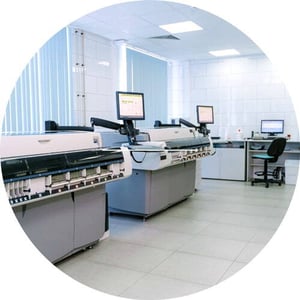
Once they're operational, ongoing facility management can become another significant responsibility, particularly for smaller organizations with limited internal resources.
Building owners and property managers can help ease this burden by establishing clear maintenance plans, coordinating service providers, and ensuring tenants have access to experienced operational support.
Having the right systems and partnerships in place from the beginning can simplify facility management, improve communication, and help tenants address issues more efficiently. It also creates opportunities to build stronger, longer-lasting relationships between property owners and the organizations occupying their buildings.
What This Means for Life Sciences Property Owners
As competition increases, property owners have an opportunity to differentiate their buildings through the quality of their operations.
A well-maintained facility with dependable critical systems and responsive support can contribute to tenant satisfaction and retention. It also demonstrates that a property is equipped to meet the specialized demands of life sciences organizations.
This requires looking at maintenance and facility management as more than operational expenses. They're important considerations in managing property risk, supporting tenants, and protecting long-term asset value.
Learn More About the Future of Life Sciences Real Estate
As the market continues to evolve, operational performance is becoming an increasingly important factor in how life sciences properties attract tenants and maintain their value.
At Flagship Lab Services, we work with life sciences organizations to support the specialized needs of their research environments. Through our expertise in lab operations, equipment services, and facility management, we help create reliable, well-managed spaces where scientific work can continue with fewer interruptions.



Leave a Comment