
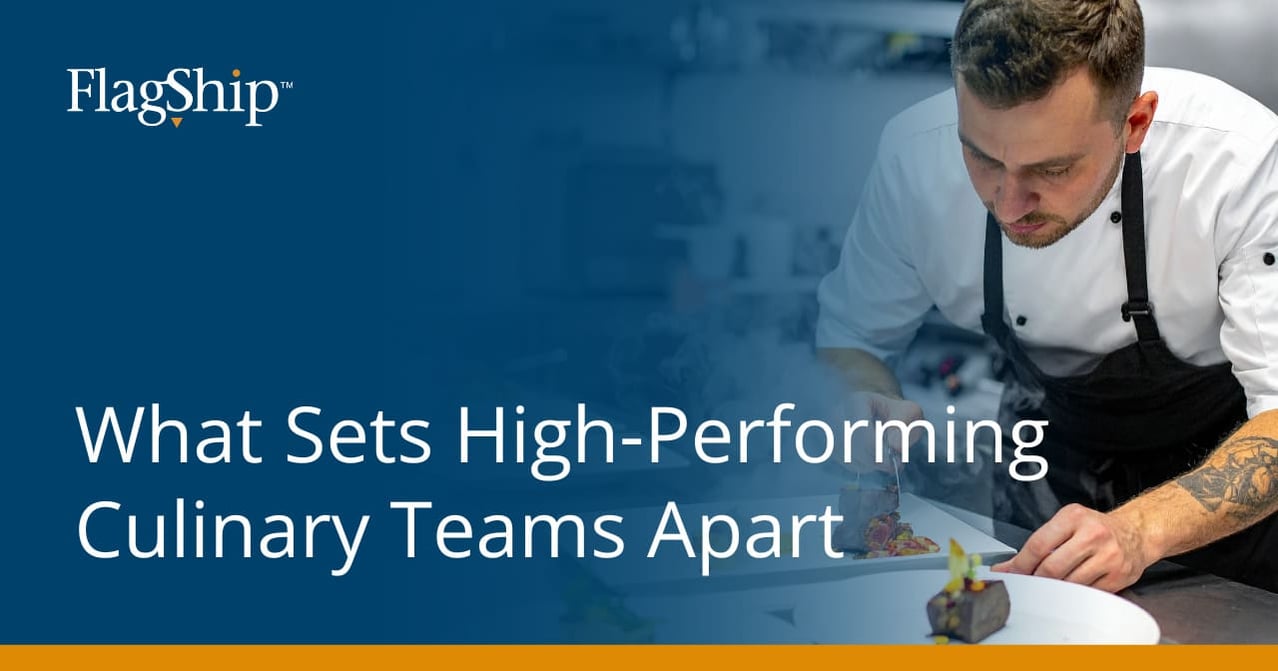
Across corporate campuses and large-scale workplace environments, culinary programs play a central role in the daily experience. They shape how employees spend their time on-site, how they engage with the space, and how they perceive the organization behind it.
Employees and guests look for food quality, reliable service, and a smooth experience each time they visit a dining space. Meeting those expectations depends on how culinary teams plan, communicate, and execute behind the scenes.
Building a Foundation for Consistency
Many dining programs feature multiple stations and rotating menus. Without clearly defined workflows and responsibilities, even well-staffed kitchens can struggle to maintain steady performance. Strong teams rely on repeatable processes that guide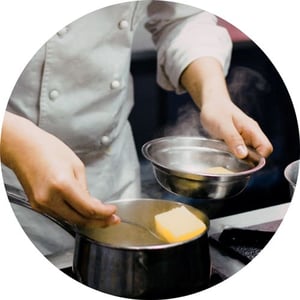 everything from prep to service. Stations are set up with intention, roles are clearly understood, and expectations remain aligned across shifts.
This approach enables teams to move through peak periods with fewer disruptions. Instead of reacting in the moment, staff follow established routines that keep service moving and minimize slips in timing and quality. Standardization plays an important role here. Recipes, portioning, and presentation follow clear guidelines, helping create a dependable dining experience regardless of the day or team on shift.
The Role of Communication in Daily Operations
Communication is key to keeping large-scale culinary operations in sync. Before service, teams should review expected volume, menu changes, and operational priorities so everyone starts the shift on the same page. On corporate campuses, where peak periods are often concentrated within short windows, this alignment helps teams prepare for demand without delays.
During service, the need for communication becomes even more immediate. Kitchen staff, front-of-house teams, and support roles must share quick, clear updates to stay connected. After service, reviewing performance helps teams identify patterns and refine their approach. These conversations highlight what's working, uncover what may be slowing operations down, and drive continuous improvement from shift to shift.
Strengthening Performance Through Teamwork
Each team member plays a specific role, but results depend on how well those roles come together. When staff understand how their responsibilities connect to the larger operation, collaboration becomes more seamless.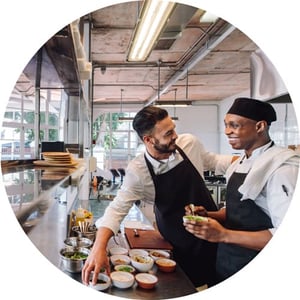
This is particularly important during rushes. Teams that work well together adapt more quickly, support one another across stations, and maintain both speed and quality under pressure.
A collaborative team also contributes to a more stable workforce. When employees feel supported and part of a team, engagement improves and turnover tends to decrease. The stronger the team dynamic, the easier it becomes to maintain service standards when demand picks up.
Supporting operations with technology
Technology continues to play a growing role in modern culinary operations, especially in workplace dining programs that manage high traffic and multiple service points throughout the day. Tools such as digital ordering systems, kitchen display systems, and inventory tracking platforms improve visibility and coordination across teams.
Orders can be tracked in real time, helping kitchen and front-of-house staff stay aligned during busy service periods. Stock levels and supply usage can also be monitored more closely, allowing teams to plan ahead, reduce waste, and avoid last-minute shortages that disrupt service. This visibility becomes especially valuable when menus rotate or traffic increases unexpectedly. Teams can adjust prep levels, reallocate support where needed, and keep operations running without interruption.
Technology also reduces the time spent on manual tracking and repetitive tasks. With clearer insight into both service activity and supply needs, teams can stay organized and focused on execution throughout the day.
Creating a Culture of Accountability and Quality
Beyond processes and tools, culture plays a critical role in performance. Strong culinary teams share a commitment to quality and accountability, with each team member understanding the impact of their work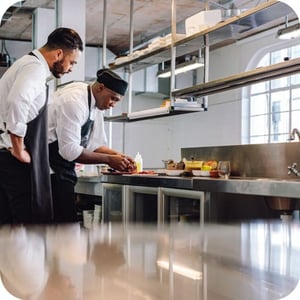 on the overall operation. That ownership shows up in the details. It's reflected in how stations are prepared, how teams respond during busy periods, and how consistently standards are followed throughout the day.
Leadership is central to establishing this culture. Every role contributes to the guest experience, from the team members preparing food to those managing service flow and keeping dining areas clean and organized. When accountability is shared across the team, quality becomes part of the daily routine and shows up naturally in the way service is delivered.
Delivering Results That Last
While many culinary programs appear similar, the difference becomes clear in how they operate day to day. Teams that prioritize structure, communication, training, and culture are better equipped to sustain performance as workplace needs evolve.
In large dining environments, service patterns can shift quickly. Meetings, events, seasonal changes, and fluctuating attendance all influence operations. Well-prepared teams manage these changes while maintaining steady service and clear coordination.
That level of reliability shapes how people experience the workplace. When employees know they can count on a smooth, well-run dining program, it becomes a valued part of their day.
Delivering a consistent, high-quality dining experience at scale requires more than the right menu. It takes the right team, system, and operational approach.
See how Flagship partners with organizations to elevate workplace dining

Leave a Comment